Understanding Fight, Flight, Freeze, and Fawn Through a Nervous System Lens
I’ve spoken with many clients who tell me, “I don’t even know why I react the way I do. I feel hijacked by my emotions.” Whether it’s snapping during an argument, feeling paralysed by a difficult email, or endlessly apologising after setting a boundary — we all have default responses to stress that shape how we move through life.
These responses aren’t weaknesses. They’re survival strategies, deeply wired into our nervous systems. They often form early, long before we had the words or support to explain what was happening around us. And while they once protected us, over time they can start to limit us — especially if we’re still reacting to life as if we’re under threat, even when we’re safe.
Let’s explore what these responses — fight, flight, freeze and fawn — actually mean, what they might say about your story, and how understanding your nervous system can help you feel more in control of your reactions.
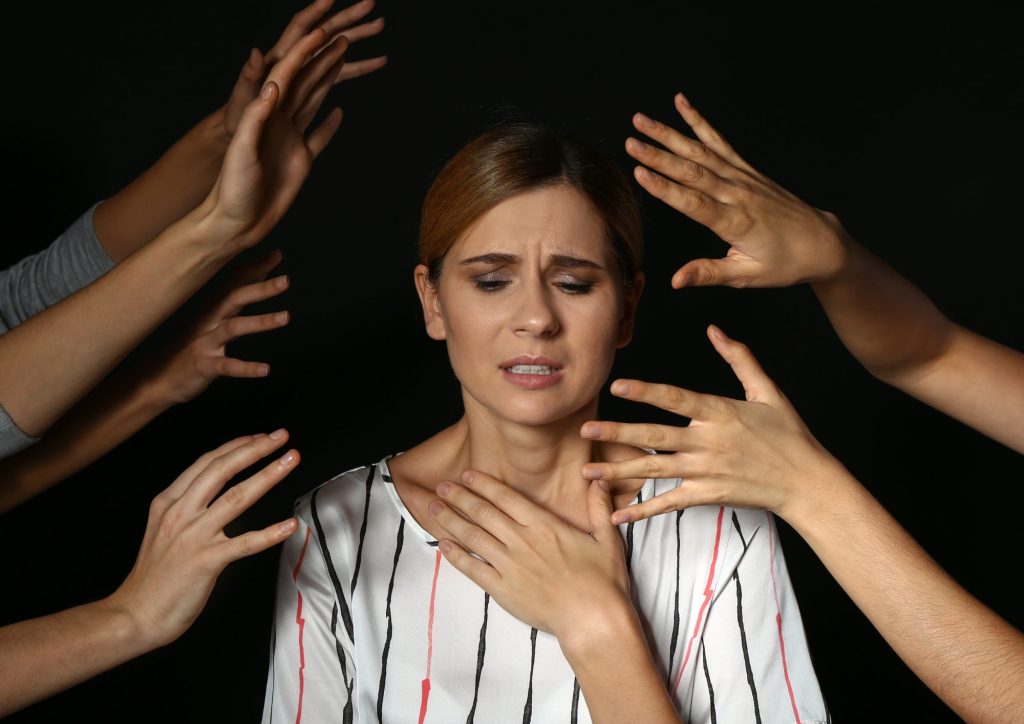
Survival Mode Isn’t Just for Life-or-Death Situations
You don’t have to be in danger to enter survival mode. A criticism from your partner, a disapproving email from your boss, or even a sense of tension in a room can activate the same biological responses your body once used to protect you from real harm.
That’s because your nervous system doesn’t always respond to logic — it responds to patterns. If certain relational dynamics, environments, or tones of voice remind your body of past stress or fear, it can instantly trigger one of the four trauma responses:
Fight: The Defender
You might become irritable or controlling, speak sharply, or try to “fix” the situation aggressively. This mode is often activated when your nervous system perceives a threat and believes the best way to regain control is through action or assertion. For many, this developed in environments where standing up for oneself was the only way to feel safe.
Flight: The Escaper
Maybe you overwork, leave the conversation, scroll endlessly, or stay too “busy” to feel anything. Flight isn’t just about running — it’s about staying one step ahead of discomfort. If you grew up in unpredictable environments, staying in motion may have helped you avoid being hurt.
Freeze: The Disconnector
You shut down, feel foggy, or find it hard to respond. Freeze can look like procrastination or emotional numbness. It often stems from situations where neither fighting nor fleeing was possible, so your nervous system chooses stillness to preserve energy and stay safe.
Fawn: The Pacifier
You agree, appease, or go quiet to keep others happy — even when it means abandoning your own needs. Fawning often develops in childhood environments where love or safety felt conditional, and connection depended on being “easy,” helpful, or invisible.
Survival Mode Isn’t Just for Life-or-Death Situations
You don’t have to be in danger to enter survival mode. A criticism from your partner, a disapproving email from your boss, or even a sense of tension in a room can activate the same biological responses your body once used to protect you from real harm.
That’s because your nervous system doesn’t always respond to logic — it responds to patterns. If certain relational dynamics, environments, or tones of voice remind your body of past stress or fear, it can instantly trigger one of the four trauma responses:
Fight: The Defender
You might become irritable or controlling, speak sharply, or try to “fix” the situation aggressively. This mode is often activated when your nervous system perceives a threat and believes the best way to regain control is through action or assertion. For many, this developed in environments where standing up for oneself was the only way to feel safe.
Flight: The Escaper
Maybe you overwork, leave the conversation, scroll endlessly, or stay too “busy” to feel anything. Flight isn’t just about running — it’s about staying one step ahead of discomfort. If you grew up in unpredictable environments, staying in motion may have helped you avoid being hurt.
Freeze: The Disconnector
You shut down, feel foggy, or find it hard to respond. Freeze can look like procrastination or emotional numbness. It often stems from situations where neither fighting nor fleeing was possible, so your nervous system chooses stillness to preserve energy and stay safe.
Fawn: The Pacifier
You agree, appease, or go quiet to keep others happy — even when it means abandoning your own needs. Fawning often develops in childhood environments where love or safety felt conditional, and connection depended on being “easy,” helpful, or invisible.
These Responses Are Not Who You Are
It’s easy to mistake these patterns for personality traits: “I’m just avoidant,” “I’m too sensitive,” “I can’t handle pressure.” But what if these aren’t flaws, but survival codes your nervous system learned in moments when you needed protection?
It’s easy to mistake these patterns for personality traits: “I’m just avoidant,” “I’m too sensitive,” “I can’t handle pressure.” But what if these aren’t flaws, but survival codes your nervous system learned in moments when you needed protection?
By clinging to these labels, we don’t just describe ourselves, we confine ourselves. These survival responses were once intelligent adaptations, but they are no longer the only way. Holding onto them keeps us anchored to a past that no longer requires the same defences. It’s time to recognise that we are not broken, we are ready to evolve.
Understanding your default response isn’t about judging it, it’s about making space for kindness. It’s about recognising that your body did the best it could with what it had. And now, with the right support, it can learn to feel safe again.
What You Can Do
- Start noticing when and how your survival responses show up — not just in big moments, but in everyday interactions.
- Regulate before you respond. Pause. Breathe. Ground. A moment of nervous system calm can shift everything.
- Explore somatic or trauma-informed support to help your body rewrite these patterns.
Healing isn’t about “getting rid” of these modes. It’s about giving your nervous system more choices. And that starts with awareness, compassion, and the belief that your story doesn’t end in survival. It can grow into safety, connection, and trust with others and with yourself.