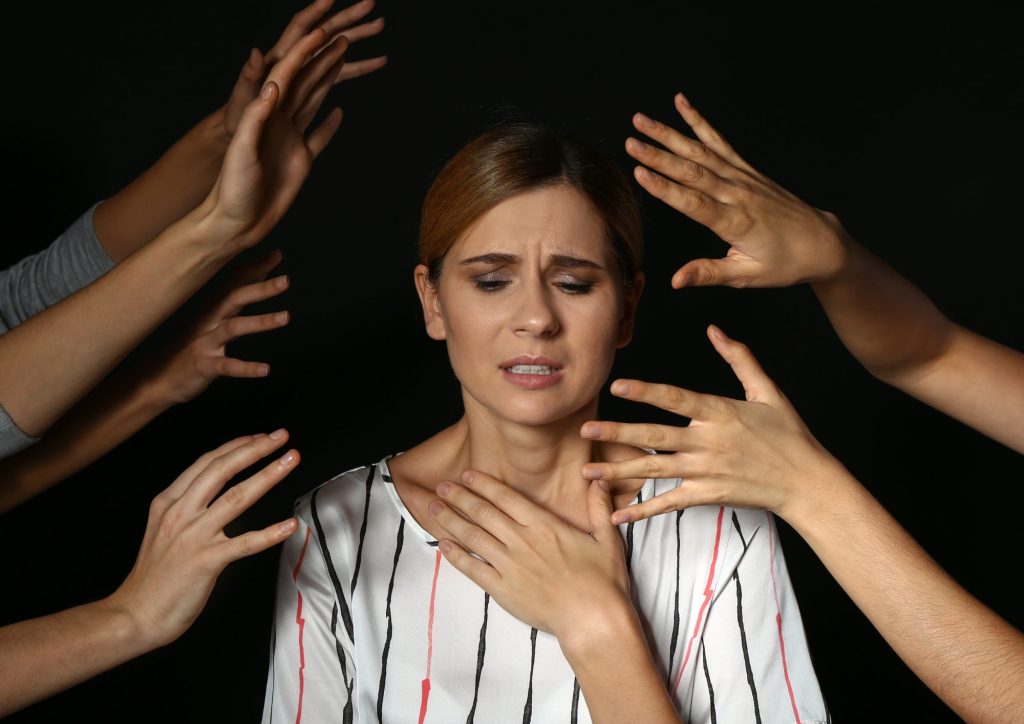
Trauma isn’t just about what happened, it’s about how it left a person feeling. It arises when an experience overwhelms someone’s ability to cope, leaving them feeling powerless, unsafe, or disconnected. Whether it’s a single event, like an accident or assault, or ongoing stressors such as neglect, abuse, or chronic illness, trauma reshapes how a person experiences the world.
Trauma doesn’t just live in the mind, it takes root in the body. It can manifest as physical tension, hypervigilance, emotional numbness, or chronic health issues. These symptoms carry deeper meaning, reflecting the body’s attempts to protect and adapt. Traditional approaches often focus on managing symptoms, but without addressing their source, the underlying wounds remain unhealed.
Left unaddressed, trauma can contribute to anxiety, depression, addiction, or conditions like OCD or ADHD. At its core, healing trauma involves not just alleviating symptoms but understanding and resolving the pain beneath them.
understanding trauma through a holistic lens
Talk therapy is often the first step in addressing trauma, but it doesn’t always account for how deeply trauma is embedded in the body. Research shows that trauma disrupts the nervous system, keeping people in a cycle of fight, flight, or freeze.
The RESET Model (Reprocessing Emotions and cognitions through Somatic and Environmental Therapy) recognises trauma as both a psychological and physiological experience, addressing how trauma is stored in the body to support lasting change.
the reset approach to trauma
Our integrative model focuses on helping people release trauma from both the mind and body. Here’s how:
1. Rebuilding a sense of safety Trauma shatters a person’s sense of safety and trust, in themselves and the world around them. The RESET model creates a space where people can reconnect with their bodies and emotions in a safe, nonjudgmental environment, using grounding techniques, breathwork, and mindful movement to help navigate triggers without becoming overwhelmed.
2. Processing emotions and memories Trauma often leaves people feeling disconnected from their emotions or overwhelmed by them. The RESET model combines somatic awareness with psychological tools to help people process difficult emotions and memories at their own pace.
3. Releasing trauma from the body Trauma often becomes “stuck” in the body, showing up as muscle tension, shallow breathing, or an inability to relax. Somatic interventions, including cold exposure therapy, are used to help release these stored patterns and support a shift from hyperarousal toward calm.
4. Rewiring the nervous system When trauma lingers, the nervous system often becomes stuck in survival mode. Cold therapy and body-based mindfulness practices are used to help retrain the nervous system to respond more flexibly, reducing reactivity over time.
5. Building resilience and purpose Healing from trauma is about more than reducing symptoms, it’s about rediscovering connection and meaning. The RESET model works with people to identify their strengths, creating a personalised path toward fulfilment.
a holistic path to healing
Trauma doesn’t have to define a person’s life. With the right support, it’s possible to release its grip and move toward greater freedom, balance, and purpose. The RESET model doesn’t just help people cope, it’s designed to support lasting, meaningful change.
Your next steps
Somaia’s trauma-informed approach combines somatic techniques with psychological expertise to help people release stored trauma, rebuild safety and resilience, and reclaim a sense of purpose. To find out more about our approach or discuss a referral or partnership, get in touch.