ADDICTION and the reset approach
what is addiction?
Addiction is often misunderstood as a lack of willpower, but it’s much deeper than that. It’s a coping mechanism that emerges when the brain and body seek relief from emotional pain, stress, or trauma.
Addiction isn’t limited to substances like alcohol or drugs. It can also involve behaviours such as gambling, overeating, excessive social media use, or compulsive shopping. While these behaviours may provide temporary relief, they often lead to cycles of guilt, shame, and dependency.
At its core, addiction reflects unmet needs, whether for connection, safety, or purpose.
understanding addiction through a holistic lens
Traditional approaches to addiction often focus on abstinence or behaviour modification. While these methods can be helpful, they sometimes fail to address the underlying causes, unresolved trauma, emotional dysregulation, and nervous system imbalances.
The RESET Model (Reprocessing Emotions and Cognitions through Somatic and Environmental Therapy) views addiction not as a moral failing but as a signal of deeper pain. By addressing both the physical and emotional roots of addiction, the approach supports people to break free from destructive cycles and build lives of fulfilment and purpose.
the reset approach to addiction
Our integrative model supports people to heal from addiction by addressing its root causes. Here’s how:
1. Strengthening self-compassion
Shame often plays a central role in addiction. The RESET model creates a nonjudgmental space where people can explore their behaviours with curiosity rather than criticism, building self-compassion and a sense of resilience rather than being defined by the addiction itself.
2. Addressing emotional triggers
Addiction is often driven by emotional triggers such as loneliness, shame, or fear. The RESET model helps people identify and understand these triggers, using psychological support and body-based practices to navigate them in healthier ways.
3. Regulating the nervous system
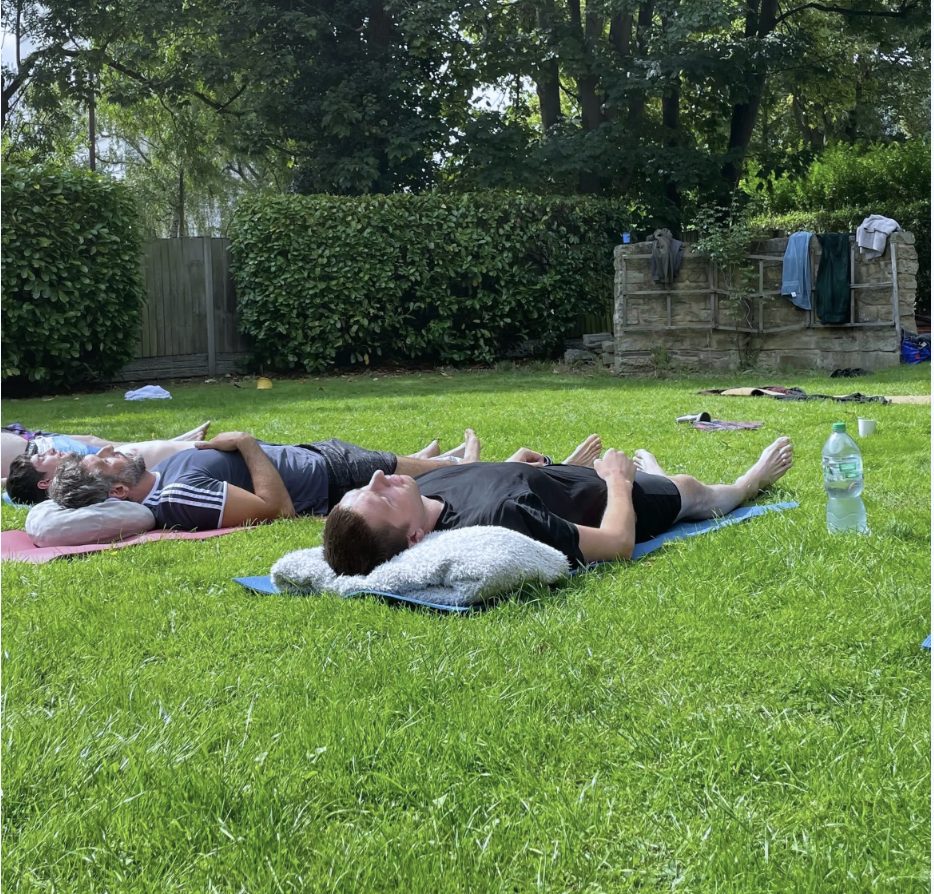
Addiction often stems from a dysregulated nervous system, where the body remains in a state of fight-or-flight, and addictive behaviours provide temporary relief. Somatic interventions, including cold exposure, are used to support a shift toward calm and control, reducing the urgency to turn to addictive behaviours for relief.
4. Releasing trauma stored in the body
Many addictions are rooted in unresolved trauma held in the body, contributing to feelings of discomfort, emptiness, or disconnection. Somatic techniques, including breathwork, mindful movement, and cold therapy, support the safe release of this stored trauma.
5. Rebuilding connection and purpose
Addiction thrives in isolation, and recovery involves reconnecting with oneself, others, and a sense of purpose. The RESET approach fosters meaningful relationships and rediscovered purpose through individual work, group workshops, and community-building.

A New Path to Freedom
Addiction is not an identity, it’s a response to pain. With the right support, people can break free from its grip. The RESET model supports people to heal the root causes of addiction, develop tools for emotional regulation and resilience, and rebuild connection and purpose.
Your next steps
Somaia’s approach to addiction addresses both the emotional and physiological roots of addictive behaviour, supporting people to heal, regulate, and rebuild connection and purpose. To find out more about our approach or discuss a referral or partnership, get in touch.
Learn to RESET
Free psychological resources with unbiased information to increase self-awareness and start making changes in your own life.
- Blog
- /
- Blog
- /
- Blog
- /
- Blog
- /
- Blog
- /
- Blog
- /
- Blog
- /
- Blog
- /
- Blog
- /
- Blog
- /