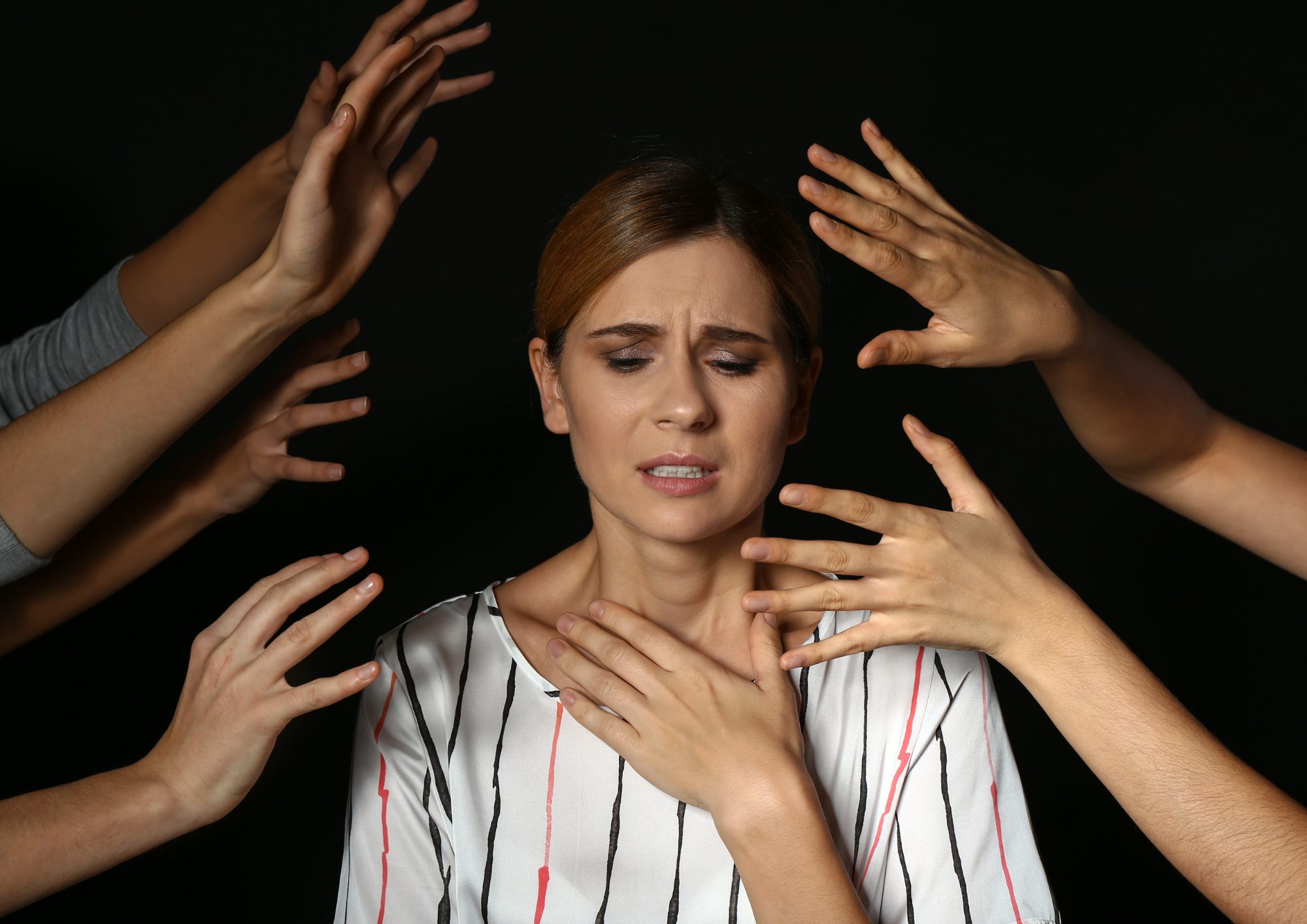
How to Build Lasting Calm From the Inside Out

It’s a common belief that once anxiety is “under control,” we’re done. We move on. But the truth is, real and lasting calm isn’t a milestone we check off, it’s a rhythm we learn to maintain.

Somatic therapy works with the nervous system — not just thoughts or emotions — to help the body release what it has held onto for far too long.
I’m thrilled to share that I recently appeared on BBC Radio 5 Live on The Stephen Nolan Show, discussing a topic close to my heart — the rise in ADHD diagnoses and what this growing trend may be revealing about the world we live in.
I’ve seen countless clients struggling with anxiety who still feel “stuck” after seemingly trying everything. It’s in these moments that I often suspect that trauma could be playing a hidden role.
Trauma isn’t just a mental issue — it’s deeply physical, embedded in the nervous system and the body.
Let’s explore what these responses — fight, flight, freeze and fawn — actually mean, what they might say about your story, and how understanding your nervous system can help you feel more in control of your reactions.
It’s time to ask the question: What if anxiety isn’t a fault to be fixed, but a message from a body that has been on high alert for too long?
A video showcasing the power of movement to heal trauma and embrace newfound freedom.
If the news leaves you anxious, overwhelmed, or spiraling into worst-case scenarios, it might be time to hit pause and do something that recharges you instead.
It’s time to address a crucial and often overlooked aspect of this conversation: the connection between ADHD and trauma.